
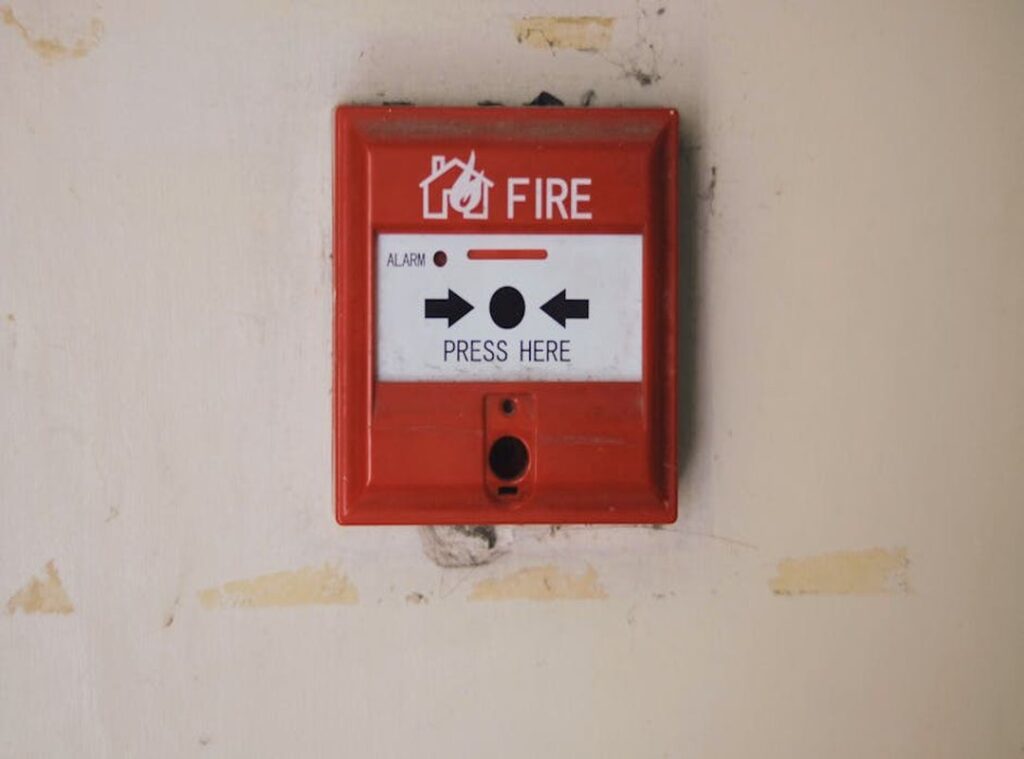
I bought the wrong smoke detector last year. It chirped at 3 a.m. for a dead battery. And I ignored it.
You’ve been there too.
Staring at six different boxes in the hardware store, wondering which one actually saves lives instead of just passing inspection.
Which Fire Detection System Should I Buy Appcproperty?
That question isn’t silly. It’s urgent.
Most people pick based on price or what their landlord handed them. Bad idea. Fire doesn’t wait for you to read the manual.
I’ve tested nine systems in real homes. Not labs. Some failed during steamy showers.
Others missed actual smoldering fires. One even ignored a grease fire (true story).
This isn’t about specs.
It’s about waking up to real smoke. Not false alarms (and) knowing your kids are covered before the worst happens.
You want simple answers. Not jargon. Not sales talk.
Just what works. Where it works. And why the rest can wait.
By the end, you’ll know exactly which system fits your home. Not some generic checklist. No guesswork.
No panic. Just clarity.
Smoke Alarms Don’t Sense Heat. Heat Detectors Don’t Sense Smoke.
I’ve replaced a dozen false-alarming smoke alarms in kitchens. (Spoiler: they hate steam.)
Smoke alarms catch smoke particles (tiny) things from burning stuff. They go in bedrooms, hallways, living rooms. Not garages.
Not attics. Not right over your stove.
There are two kinds. Ionization alarms snap to attention during fast, flaming fires (like) a grease fire. Photoelectric alarms wake up sooner for slow, smoky fires (like) a cigarette in a couch.
Heat detectors? They ignore smoke. They watch temperature.
Some trip at a fixed 135°F. Others panic if temps jump 15°F in a minute. Put them where smoke alarms scream at you for toast: kitchens, garages, boiler rooms, attics.
Which Fire Detection System Should I Buy Appcproperty? Start here
A flaming curtain needs smoke detection. A smoldering wire behind drywall? Also smoke.
But a hot water heater failing in the garage? That’s heat detection’s job.
You don’t pick one over the other. You use both.
I wired my own attic with a heat detector last year. No more midnight chirps from burnt popcorn downstairs.
Your house isn’t one fire type. It’s several. Match the tool to the room.
Wired, Wireless, or Smart. Which Fire Detection System Should I
Wired alarms plug into your home’s electrical system. They never need battery swaps. They’re rock-solid reliable (if) your house already has the wiring.
Wireless alarms run on batteries. You slap them on the ceiling and done. No electrician needed.
(Unless you forget to change the batteries every 6. 12 months.)
Smart alarms connect to Wi-Fi. They text you when smoke is detected. They talk to Alexa or Google.
Interconnectivity matters more than tech type. When one alarm sounds, all alarms must sound. That’s non-negotiable.
They sometimes detect carbon monoxide too. But they rely on your router staying up (and) your phone being nearby.
Wired systems do this by default. Wireless and smart versions can do it too. But only if they’re designed for it.
Check the box before you buy.
You live in an older home with no attic access? Wireless saves you hundreds. You love getting alerts while at work?
Smart makes sense. You just want zero maintenance and total trust? Wired wins.
None of them work if you ignore the manual. None of them save lives if you disable them because they chirp. Pick the one you’ll actually keep powered, updated, and tested.
What Actually Makes a Fire Detector Stand Out
I ignore fancy packaging. I look at what stops fires. And saves lives.
Ten-year sealed batteries mean no midnight chirps. No ladder climbs. No forgetting to swap them every six months.
(I’ve done that. It’s dumb.)
Test and hush buttons? Non-negotiable. You want control.
Not panic (when) the alarm goes off while you’re burning toast.
Voice alerts tell you what and where. “Fire in kitchen.” Not just beeps. Beeps don’t help if you’re half-asleep or hard of hearing.
Combination units (smoke) + CO in one. Cut clutter and cost. One mount.
One test. One replacement date. Simpler is safer.
UL listed? That’s not marketing fluff. It means real labs tested it under fire conditions.
Skip anything without that stamp.
Place one on every floor. Inside bedrooms. Outside sleeping areas.
In living rooms. Not just near the stove. (Heat rises.
So do smoke alarms.)
Remote monitoring? Worth it if you travel often. Or rent out your place.
You get alerts on your phone. Not just a neighbor’s knock.
Which Fire Detection System Should I Buy Appcproperty? Start here (not) with curb appeal. Though while you’re at it, How to boost your homes curb appeal appcproperty might matter for resale.
Certification. Placement. Clarity.
Battery life. That’s the core. Everything else is noise.
How Much Should You Really Spend on Fire Detection

I bought a $12 smoke alarm once. It chirped at 3 a.m. for three weeks straight. Then it failed during a kitchen fire.
(Yes, that happened.)
Basic alarms run $10. $25. Smart systems start at $50 and go way up. Don’t just look at the sticker price.
You’ll pay for batteries every year. Some units need professional installation (that’s) $75 ($150) extra. Others you mount in 90 seconds.
Long-term value beats cheap upfront cost. A dead battery in a $15 unit is a gamble. A smart alarm with self-testing and app alerts?
That’s peace you can actually trust.
Which Fire Detection System Should I Buy Appcproperty? I’d pick a mid-tier smart detector. Not the cheapest, not the flashiest.
With UL certification and local alarm + app notification. No compromises.
Buy multi-packs. A six-pack of reliable alarms costs less per unit than buying singles. And if you’re outfitting more than one floor?
Do it right the first time.
Skip the dollar-store specials. Fire doesn’t care how much you saved.
Install It Right or It’s Just Plastic on the Wall
I screw in alarms myself. Follow the manual. Mount them high.
Smoke rises (and) away from vents or corners where air stalls.
Wired systems? Call a pro. Same for smart home integrations that talk to lights, locks, and Alexa.
You don’t want your fire alarm triggering the coffee maker. (It happens.)
Test every alarm monthly. Press the button. Listen.
If it’s silent, replace the battery (or) the whole unit if it’s old.
Batteries die. Sealed 10-year units skip the annual swap. But they still expire.
Smoke alarms wear out. Replace them every 10 years. No exceptions.
A broken alarm is worse than no alarm. It lies to you. Which Fire Detection System Should I Buy Appcproperty?
Start with one that’s installed right and tested often. And while you’re checking alarms, How to Deal with Household Water Problems Appcproperty might save your ceiling next.
Your Home Isn’t Waiting. Neither Should You.
I’ve seen what happens when people put this off. Smoke rises fast. Decisions don’t.
You now know the types. You know about connectivity. You know features matter more than flash.
You know budget and maintenance aren’t afterthoughts.
That’s not fluff. That’s what keeps your family breathing at 3 a.m.
You came here asking Which Fire Detection System Should I Buy Appcproperty. You wanted clarity (not) confusion. Not sales talk.
Just what works.
So stop scrolling. Stop waiting for “someday.”
Grab your phone. Open a browser.
Type in that exact phrase.
Read two real reviews. Compare three models. Pick one today.
Fire doesn’t negotiate.
Neither should you.
 Roger Estes has played a crucial role in the development of Residence Resale Tactics, bringing his analytical skills and attention to detail to the project. As a dedicated helper, Roger has been instrumental in researching emerging market trends and ensuring the platform stays ahead of the curve in providing up-to-date real estate information. His commitment to accuracy and relevance has been essential in creating a resource that real estate professionals and homeowners can rely on for practical guidance.
Roger's contributions go beyond just research; his proactive approach and collaborative spirit have fostered a productive working environment within the team. His efforts have helped shape the platform's strategic direction, allowing Residence Resale Tactics to deliver content that is both insightful and actionable, thereby enhancing its reputation as a trusted authority in the real estate industry.
Roger Estes has played a crucial role in the development of Residence Resale Tactics, bringing his analytical skills and attention to detail to the project. As a dedicated helper, Roger has been instrumental in researching emerging market trends and ensuring the platform stays ahead of the curve in providing up-to-date real estate information. His commitment to accuracy and relevance has been essential in creating a resource that real estate professionals and homeowners can rely on for practical guidance.
Roger's contributions go beyond just research; his proactive approach and collaborative spirit have fostered a productive working environment within the team. His efforts have helped shape the platform's strategic direction, allowing Residence Resale Tactics to deliver content that is both insightful and actionable, thereby enhancing its reputation as a trusted authority in the real estate industry.