
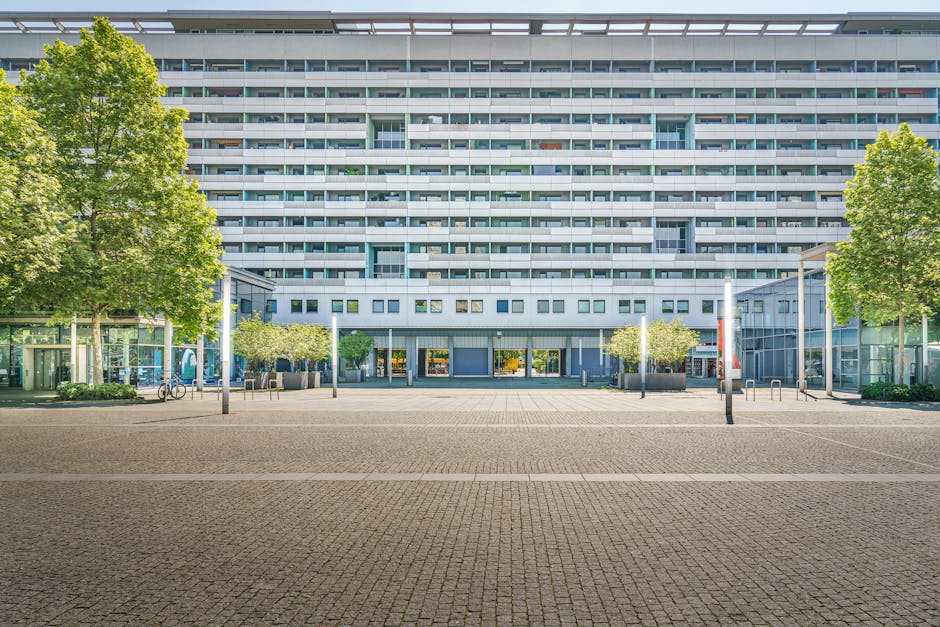
Key Differences Between Property Types
When deciding between investing in commercial or residential real estate, it’s essential to understand the core distinctions between the two. Your decision can significantly impact your returns, management style, and long term financial strategy.
Property Definitions
Residential Properties: Include single family homes, condos, duplexes, and small multifamily properties (typically 2 to 4 units). These serve as places for individuals and families to live.
Commercial Properties: Encompass retail spaces, office buildings, industrial sites, warehouses, and apartment buildings with five or more units. These are designed to generate income through business activity or multiple tenants.
Income Potential and Lease Structures
Residential Real Estate
Income generally comes from monthly rent payments.
Lease terms are usually short (6 to 12 months).
Rental rates and tenant quality may vary based on neighborhood, housing market trends, and local regulations.
Commercial Real Estate
Higher income potential per square foot compared to residential.
Lease agreements are long term often 3 to 10 years which improves cash flow predictability.
In some cases, tenants take on property expenses through triple net (NNN) leases, reducing the owner’s responsibilities.
Tenant Expectations and Management Requirements
Residential Tenants
Expect landlords to handle repairs, maintenance, and sometimes utility bills.
More hands on management is typically required unless a property management company is hired.
Commercial Tenants
Often responsible for their own unit maintenance and even shared expenses like property taxes and insurance.
Expect professional level communication and support, especially in office or retail settings.
Understanding these foundational differences helps investors align their portfolios with their risk tolerance, goals, and available resources.
Explore this investing comparison guide
Pros of Commercial Property Investment
Commercial properties usually offer a better dollar for dollar return compared to residential spaces. Simply put, you can earn more per square foot, especially in high traffic or premium zones. Retail, office, or industrial tenants are often willing to pay a premium for location, visibility, or access.
Another major advantage: longer lease terms. Where residential leases typically run 12 months, commercial agreements often stretch from three years to ten or more. That longer horizon means more income predictability and less downtime scrambling to find the next tenant.
Then there’s the triple net lease (NNN). Many commercial lease agreements shift the burden of property expenses like taxes, insurance, and maintenance to the tenant. That lightens the load for investors and creates a more hands off experience than what you’d usually get from a residential rental.
The tradeoff? Bigger reward usually comes with more upfront work. But if structured right, commercial real estate can pay off with stability, higher margins, and fewer surprise calls about leaky faucets.
Cons of Commercial Property Investment

Commercial real estate comes with a steeper price tag. Buildings often cost more upfront, and lenders typically require larger down payments and more complex financing structures. If you’re not bringing serious capital or strong financials to the table, it can be hard to get in.
Vacancies also hit harder in the commercial space. Losing a tenant could mean months, even years, of an empty storefront or office floor. Unlike residential units where someone’s almost always looking for a place to live, commercial tenants are fewer and pickier, especially in uncertain markets.
Speaking of uncertainty commercial property values tend to swing wider during economic shifts. Recessions can lead to business closures, downsizing, or companies delaying new leases. That kind of turbulence exposes investors to higher risk, especially those banking on stable cash flow.
Bottom line: the margins might look appealing, but commercial property requires padding, patience, and a strong stomach for market cycles.
Pros of Residential Property Investment
Residential real estate tends to be a friendlier entry point for new investors. Compared to commercial deals, the initial cost of buying a single family home or a small duplex is far more manageable. Financing is simpler too banks are used to lending on these types of properties, and new investors are often more successful getting approved.
There’s also steady demand. People always need places to live, whether the economy is up or down. This consistent need makes residential markets more resilient across cities and suburbs. For investors, that usually means quicker turnaround times when filling vacancies or selling.
Speaking of selling, residential units especially single family homes and small multifamily properties are much easier to liquidate. There’s a bigger pool of potential buyers, from fellow investors to families just looking for a home. That flexibility brings a level of exit strategy that’s hard to beat in real estate.
Cons of Residential Property Investment
Residential real estate can seem like the safer bet, but it’s no free lunch. Compared to commercial leases that can last years, residential agreements especially for single family rentals tend to refresh every 12 months. That means more turnover, more vacancy risk, and more hustling to keep units filled.
With that comes the need for hands on property management. Think maintenance calls, tenant screening, renewals, and repairs some of it expected, a lot of it not. You can outsource this, of course, but that cuts into margins.
Then there’s rent control. In certain cities, it caps how much you can raise rates, even when demand spikes. That limit on income growth can make scaling tough. While residential investing offers stability and liquidity, don’t underestimate the operational grind behind each unit you own.
Choosing What’s Right For You
Start with clarity. Are you chasing steady monthly income, long term value growth, or a blend of both? Residential properties tend to offer quicker cash flow and are easier to offload down the line. Commercial spaces lean toward higher returns, but with more upfront risk and longer holding periods.
Your risk tolerance matters. If you’re not comfortable riding out vacancies or economic cycles, commercial might feel too volatile. Residential investments, especially in stable housing markets, offer a softer landing. But they come with more hands on management and tenant turnover.
Also, look hard at your local market. Office spaces might be struggling in some cities, while industrial warehouses are booming a few zip codes over. In residential real estate, demand might swing from luxury condos to affordable multi family units in the same metro.
The key? Align your financial goals and personal comfort level with what your chosen market actually rewards. No property type is universally better just what fits your blueprint best.
Full investing comparison guide here
 Roger Estes has played a crucial role in the development of Residence Resale Tactics, bringing his analytical skills and attention to detail to the project. As a dedicated helper, Roger has been instrumental in researching emerging market trends and ensuring the platform stays ahead of the curve in providing up-to-date real estate information. His commitment to accuracy and relevance has been essential in creating a resource that real estate professionals and homeowners can rely on for practical guidance.
Roger's contributions go beyond just research; his proactive approach and collaborative spirit have fostered a productive working environment within the team. His efforts have helped shape the platform's strategic direction, allowing Residence Resale Tactics to deliver content that is both insightful and actionable, thereby enhancing its reputation as a trusted authority in the real estate industry.
Roger Estes has played a crucial role in the development of Residence Resale Tactics, bringing his analytical skills and attention to detail to the project. As a dedicated helper, Roger has been instrumental in researching emerging market trends and ensuring the platform stays ahead of the curve in providing up-to-date real estate information. His commitment to accuracy and relevance has been essential in creating a resource that real estate professionals and homeowners can rely on for practical guidance.
Roger's contributions go beyond just research; his proactive approach and collaborative spirit have fostered a productive working environment within the team. His efforts have helped shape the platform's strategic direction, allowing Residence Resale Tactics to deliver content that is both insightful and actionable, thereby enhancing its reputation as a trusted authority in the real estate industry.