
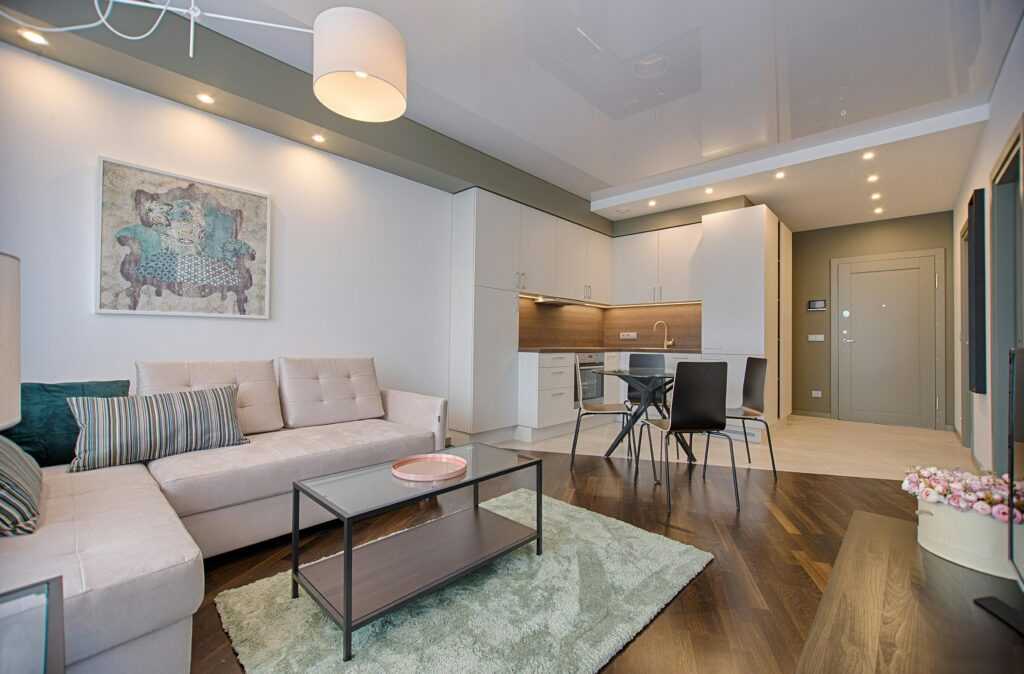
It is all very subtle but transformative. A room can be a tight, dull space — and then you make it come alive through specific changes. The alchemy of interior transformation is in these little shifts: a fresh coat of paint, reoriented furniture or new textures. It’s not just about aesthetics — it’s about making spaces that breathe, inspire and work better for the people who live in them. These principles can also offer useful insights for investors looking to maximize the value and appeal of a property through thoughtful design and strategic updates.
The process of going from “before” to “after,” and the feeling of a good hard day’s work in between, is what great renovations are made of. Every project is a puzzle in which every piece — color, layout, light — is interacting to create harmony or chaos. The pleasure of transformation lies not just in the big reveal but in the process: imagining possibilities, trying out scenarios and stumbling upon unforeseen solutions. In this article delves into the art and science of interior transformation—revealing the lessons tucked away in every makeover, and showing why a well-considered space can change our emotions on an everyday basis.
From Clutter to Clarity: The Power of Space
Clutter takes up mental space as well as physical. A cluttered countertop or a jam-packed closet can make even the brightest room feel oppressive. Transformation begins by getting rid of what does not serve the space. Clearing out extra stuff instantly changes the space’s energy, giving you room to move, breath and light.
Storage solutions, whether concealed cabinets or open shelving, can also ease in maintaining order. Not calm in an abstract way, but peace that affects the room and gets carried from there. When there is purpose and place for things, a room has a sense of order that leads to calm and focus. Designers often remind us that a clean, decluttered base is the canvas for everything else.
In addition to keeping things neat, space planning affects how we experience a room. Moving around furniture to clear paths, establishing zones for work, rest or socialization and confirming that furniture is appropriately scaled to the room are all activities of clarity. And even tiny changes, such as pulling a chair up to face a window or clearing more floor space, can make the space feel intentional rather than like an afterthought.
The “before” tends to show places of waste: piecemeal corners, blocked light, furniture in the wrong spot. The “after” is a space that breathes, works and reflects personality. In tackling mess and reorganizing the layout, the room is made to feel like more than just a hideaway, but as somewhere full of energy, focus and ease. The trick, however, has never been to fill space but rather to reveal what was already there — each element shining.
Color as Alchemy: How Shades Change Perception
Color has the power to change how one sees things. A chamberlain beige wall can feel stagnant, or a rich accent can add life and exuberance to the room. The color of a room can impact mood, light and even how large a space feels. Designers understand that warm colors invite intimacy, cool ones create calm and contrasting shades activate.
There is more to painting than meets the walls. It’s a device to delimit spaces, draw attention to architectural features or redirect it from flaws. Even the ceilings and trims get in on it, leading the eye and experience. Some key ways color changes a space are:
- Mood influence: Colors impact emotional state and create specific desired atmospheres effectively.
- Light reflection: Lighter shades expand rooms, making small spaces appear bigger.
- Depth creation: Darker tones add depth and a sense of cozy warmth.
- Area definition: Different colors can separate zones without physical walls installed.
- Highlighting features: Bold colors draw attention to architectural or design elements.
- Disguising flaws: Strategic paint can hide imperfections or uneven surfaces efficiently.
That color can even metamorphose under the influence of light which reminds us that colour is inextricably linked with reflection. Softer colors enlarge small spaces, rendering them airier, whereas darker ones anchor and create a sense of snugness. Mixing them up with anything, whether your eye or clothing texture in matt, glossy or metallic, adds a richness that can build the impact. It is also important to see how the natural light will evolve during the day as well; a shade can feel warm in early morning and yet cold in late afternoon.
Color is personal, too. It communicates an identity, preferences and emotional priorities. An impressive makeover is striking the right balance between function and taste. Before can be so drab or monochrome, but a sophisticated palette makes this room an inspiration board of expression. Once the language of color is understood, anyone can give their home alchemical harmony and meaning; manipulate perception to connect mindfully with a space; and pick the perfect – ‘true’ – shade for every scenario to feel happy, soothed or inspired.
Furniture and Flow: Moving Beyond Functionality
Furniture is not just about filling a room, it’s also about defining the way that space is used. Furniture frequently clogs pathways, mismatches scale or obstructs sightliness before a transformation takes place. The “after” shows an intentional layout, where each component serves comfort, socializing and visual harmony.
Flow is essential. Room-scale is about walking and moving around in a room without hitting things or having dead zones. Designers also think about movement patterns, visual sightliness and the placement of focal points. Even simply moving a sofa or pivoting a rug can redirect energy, improve accessibility and make the space feel larger. Multi-use furniture, such an extendable tables or storage ottomans, ensures maximum utility as well as style.
Proportions matter. Big furniture in little rooms looks heavy and weighs down a space, while tiny pieces in huge areas feels like they’re floating. When in doubt, try to scale furniture with the length of the walls and room for balance and harmony. Textures and material choices also affect our perceived comfort: a plush velvet chair makes the room warmer, a metal desk brings in contrast and a wood console is anchoring.
Furniture, beyond aesthetics, has a story to tell. Every choice conveys a lifestyle, values and personality. When in the throes of a transformation, shuffling or upgrading pieces can help homeowners envision new ways of going about their daily lives — shifting priorities toward comfort, togetherness or ease. The “after” isn’t just pretty to look at, it’s a statement about living with purpose.
 Deborahn McKenneyster, the founder of Residence Resale Tactics, is a dynamic leader with a deep-rooted passion for the real estate market. With years of experience in the industry, Deborahn has cultivated a reputation for her strategic acumen and innovative approach to property resale. Her journey began as a real estate agent, where she quickly recognized the need for a platform that provides actionable insights and practical strategies for agents, investors, and homeowners alike. Deborahn’s vision was to create a resource that not only offers the latest market news but also equips users with the tools to navigate complex transactions and achieve success in a competitive field.
Under her leadership, Residence Resale Tactics has become a trusted source of information for real estate professionals, delivering expert guidance on everything from market trends and investment strategies to creative marketing techniques. Deborahn's commitment to empowering others is evident in her dedication to curating content that is both timely and relevant, helping clients enhance their knowledge and make informed decisions. Her innovative mindset and passion for real estate continue to drive the platform forward.
Deborahn McKenneyster, the founder of Residence Resale Tactics, is a dynamic leader with a deep-rooted passion for the real estate market. With years of experience in the industry, Deborahn has cultivated a reputation for her strategic acumen and innovative approach to property resale. Her journey began as a real estate agent, where she quickly recognized the need for a platform that provides actionable insights and practical strategies for agents, investors, and homeowners alike. Deborahn’s vision was to create a resource that not only offers the latest market news but also equips users with the tools to navigate complex transactions and achieve success in a competitive field.
Under her leadership, Residence Resale Tactics has become a trusted source of information for real estate professionals, delivering expert guidance on everything from market trends and investment strategies to creative marketing techniques. Deborahn's commitment to empowering others is evident in her dedication to curating content that is both timely and relevant, helping clients enhance their knowledge and make informed decisions. Her innovative mindset and passion for real estate continue to drive the platform forward.