
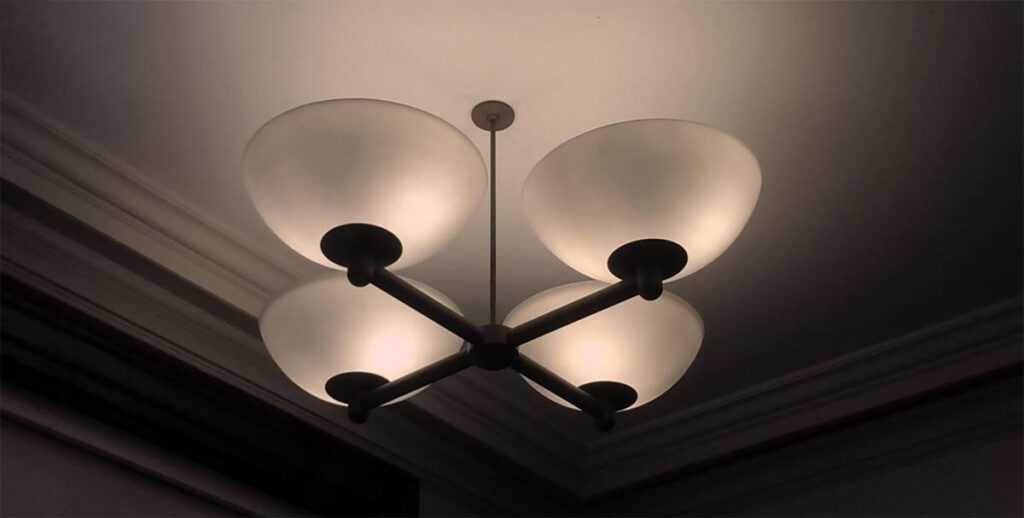
Sustainability is no longer an optional consideration in design—it has become a defining priority for both homeowners and the construction industry. According to Dodge Data & Analytics’ World Green Building Trends SmartMarket Report, nearly 60% of global construction firms report that the majority of their projects now integrate sustainability practices. This growing shift reflects a deeper awareness that the way we design our homes directly affects energy use, environmental impact, and everyday well-being.
One of the most effective ways to support this shift is by rethinking how we light our interiors. Rather than relying heavily on artificial lighting, many homeowners are turning to custom glass solutions for indoor lighting—using glass strategically to capture, shape, and distribute natural light throughout the home. The result is a space that feels brighter, more open, and significantly more energy-efficient.
Rethinking Indoor Lighting Through Design
Indoor lighting has traditionally relied on a network of fixtures—ceiling lights, lamps, and spotlights—to illuminate different areas. While functional, this approach can increase energy consumption and often creates uneven or artificial-feeling light.
Custom glass offers an alternative. By allowing natural light to travel deeper into the home, it reduces the need for artificial lighting during the day. Instead of lighting each room individually, glass helps create a more connected lighting system—where light flows naturally from one space to another.
This approach transforms lighting from a purely technical solution into a design feature that enhances both sustainability and aesthetics.
How Glass Type, Size, and Placement Shape Interior Light
The effectiveness of indoor lighting through glass depends on careful planning. The type of glass, its size, and where it is positioned all influence how light moves within a space. A study on ResearchGate highlights that poorly designed indoor lighting can contribute to light pollution and unnecessary energy use, emphasizing the importance of controlling light distribution, intensity, and direction within built environments. Thoughtful design can help optimize illumination while minimizing excess artificial lighting and environmental impact.
Larger glass features—such as internal windows or glazed partitions—allow light to pass between rooms, brightening areas that might otherwise remain dark. Placement is equally important. Positioning glass between naturally lit and less-lit areas helps distribute light more evenly, reducing shadows and improving visibility. By enabling natural light to travel further, well-placed glass reduces reliance on artificial lighting, supporting both energy efficiency and more sustainable indoor environments.
Different glass types also affect the quality of light. Clear glass maximizes brightness, while tinted or coated glass can soften intensity and reduce glare. Managing light levels and preventing excessive brightness is key to reducing glare and limiting light pollution, particularly in spaces where artificial lighting might otherwise be overused. Customization ensures that each element is tailored to the needs of the space, creating a balanced, comfortable, and environmentally responsible indoor lighting solution.
Diffusing Light with Curved, Textured, and Frosted Glass
A key advantage of custom glass in indoor lighting is its ability to control how light is diffused. Direct sunlight can be harsh, but glass can soften and spread light to create a more comfortable atmosphere.
Curved glass is particularly effective in this regard. Its gentle shape allows light to flow more naturally across surfaces, reducing sharp contrasts and creating a smoother transition between light and shadow. This results in a softer, more ambient feel throughout the space.
Textured and frosted glass are also valuable tools. These finishes scatter light as it passes through, providing illumination while maintaining privacy. They are ideal for internal partitions, doors, or areas where full transparency is not required.
By diffusing light rather than blocking it, these glass options help create interiors that are both functional and visually pleasing.
Reducing Energy Use Through Smarter Indoor Lighting
One of the most immediate benefits of using custom glass for indoor lighting is a reduction in energy consumption. When natural light is distributed effectively, there is less need to rely on artificial lighting during daylight hours. As highlighted in green home renovation guidance, improving natural lighting is considered one of the most effective eco-upgrades, helping homeowners reduce electricity use while creating healthier, more energy-efficient living spaces.
Glass partitions, internal windows, and light-transmitting features can extend daylight into the heart of the home, minimizing the need for electric lights in hallways, kitchens, and other interior spaces. Sustainable renovation strategies emphasize that maximizing daylight, combined with the use of energy-efficient LED lighting when needed, can significantly reduce overall energy consumption while maintaining optimal indoor illumination. This approach allows homeowners to rely on natural light during the day and switch to low-energy LED solutions in the evening, creating a balanced and eco-conscious lighting system.
Over time, these savings can be significant, especially in larger homes or spaces with limited access to external windows. By pairing thoughtful glass design with LED technology, homeowners can achieve long-term energy efficiency improvements—an approach widely recognized as a key step in creating a more sustainable home.
Bringing Light Into Every Corner
Many homes have areas that receive little to no natural light—corridors, stairwells, or interior rooms without direct access to windows. Custom glass can help illuminate these spaces by redistributing existing light.
Glass doors, internal panels, and even feature installations can channel light from brighter areas into darker ones. Skylights, when paired with interior glazing, can bring light from above and spread it throughout multiple levels of a home.
This approach not only improves visibility but also enhances the overall sense of openness. Spaces feel less enclosed and more connected, creating a more inviting and comfortable environment.
Choosing Energy-Efficient Glass
While increasing light is important, it is equally essential to maintain energy efficiency. The right type of glass ensures that indoor lighting improvements do not come at the expense of comfort.
Double glazing and low-emissivity (low-E) coatings help regulate temperature by reducing heat loss and controlling solar gain. These technologies allow light to enter while minimizing unwanted heat transfer, ensuring that spaces remain comfortable year-round.
Energy-efficient glass also helps prevent glare and overheating, creating a more consistent and enjoyable indoor environment. This balance between light and performance is key to sustainable design.
The Role of Skilled Craftsmanship
Custom glass solutions require precision and expertise. Each installation must be carefully designed to balance functionality, efficiency, and visual impact. Artisans Flickinger Glassworks highlight how working with a professional artisan ensures that the glass is tailored to the specific needs of the space. From selecting the right type of glass to designing custom shapes and finishes, skilled specialists can create solutions that maximize both performance and aesthetics. Their craftsmanship ensures that the glass integrates seamlessly into the interior, enhancing the overall design while delivering practical benefits.
A Smarter Way to Light the Home
As sustainability becomes a central focus in design, the way we approach indoor lighting is evolving. Custom glass offers a simple yet powerful solution—one that reduces energy use while enhancing the quality of interior spaces.
By allowing natural light to flow freely, diffusing it effectively, and integrating energy-efficient materials, homeowners can create brighter, more comfortable environments that rely less on artificial lighting.
Ultimately, sustainable living is not just about reducing consumption—it’s about making smarter design choices. Custom glass for indoor lighting demonstrates how thoughtful solutions can transform everyday spaces, creating homes that are both environmentally responsible and a pleasure to live in. For more comprehensive strategies and insights for real estate excellence and success, visit the rest of Residence Resale Tactics.
 Roger E. has played a crucial role in the development of Residence Resale Tactics, bringing his analytical skills and attention to detail to the project. As a dedicated helper, Roger has been instrumental in researching emerging market trends and ensuring the platform stays ahead of the curve in providing up-to-date real estate information. His commitment to accuracy and relevance has been essential in creating a resource that real estate professionals and homeowners can rely on for practical guidance.
Roger's contributions go beyond just research; his proactive approach and collaborative spirit have fostered a productive working environment within the team. His efforts have helped shape the platform's strategic direction, allowing Residence Resale Tactics to deliver content that is both insightful and actionable, thereby enhancing its reputation as a trusted authority in the real estate industry.
Roger E. has played a crucial role in the development of Residence Resale Tactics, bringing his analytical skills and attention to detail to the project. As a dedicated helper, Roger has been instrumental in researching emerging market trends and ensuring the platform stays ahead of the curve in providing up-to-date real estate information. His commitment to accuracy and relevance has been essential in creating a resource that real estate professionals and homeowners can rely on for practical guidance.
Roger's contributions go beyond just research; his proactive approach and collaborative spirit have fostered a productive working environment within the team. His efforts have helped shape the platform's strategic direction, allowing Residence Resale Tactics to deliver content that is both insightful and actionable, thereby enhancing its reputation as a trusted authority in the real estate industry.